An author wrote that in 1980, he first encountered the phrase "widow-maker." It referred to a blockage in the left anterior descending (LAD) artery—one of the most dangerous types of heart attacks due to the large area of the heart it supplies. At the time, he thought the term was clever. It captured the severity of the condition in a memorable way, impressing upon students and doctors alike the urgency of recognizing and treating such a blockage.
The Problem with Outdated Terminology
The term assumed that the typical victim was male, leaving behind a widow. It perpetuated the notion—consciously or not—that heart disease is a man's problem. In truth, heart disease is the leading cause of death for both men and women.
The author of this article thought that it's time we retire the term "widow-maker." It's not only outdated; it's misleading he stated.
The Science Behind Coronary Artery Disease
As we reflect on how language can misinform a reader, it's also worth reviewing some of the basic science behind coronary artery disease. Understanding the biological factors that influence heart health helps us move beyond misconceptions.
Hormones and Heart Health
Estrogen, for instance, tends to promote a favorable lipid profile: high HDL (the "good" cholesterol) and low LDL (the "bad"). In contrast, hormones like progesterone and testosterone are associated with higher LDL and lower HDL.
That means your biological sex, hormone therapy, birth control choices (such as Depo-Provera), or anabolic steroid use (common in bodybuilding) can all influence your cardiovascular risk.
- Estrogen: ↑ HDL (good), ↓ LDL (bad)
- Progesterone/Testosterone: ↓ HDL (good), ↑ LDL (bad)
- Birth control & steroids: Can negatively impact lipid profiles
Diet Plays a Critical Role
Frequent consumption of "scavenger" meats like pork, lobster, shrimp, and crab, or a diet heavy in saturated and trans fats, can increase small, dense LDL particles—the ones most likely to cause inflammation and contribute to arterial plaque.
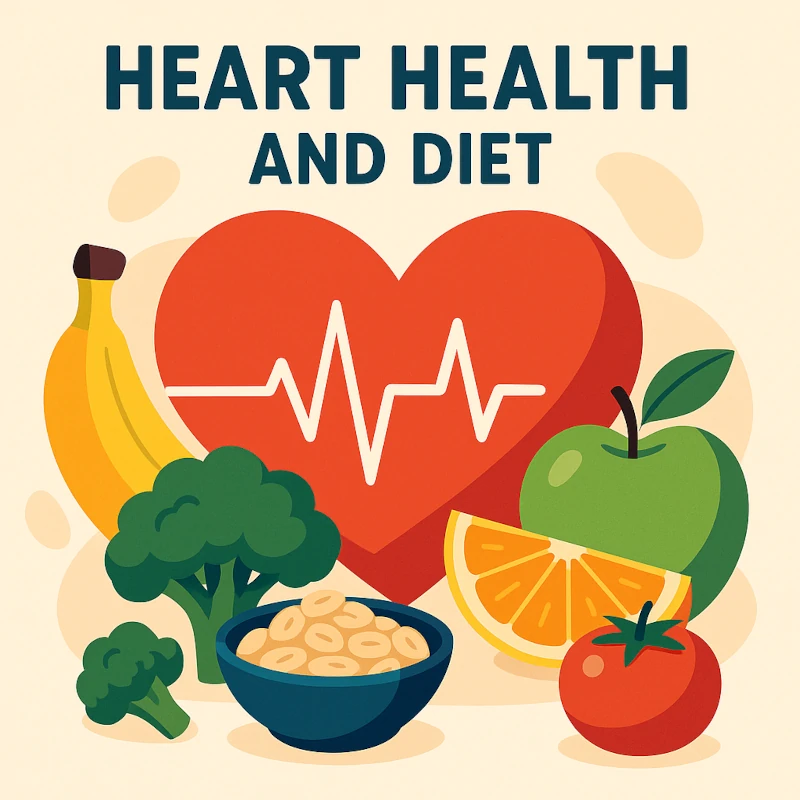
Image by Ryan J. Hendrix: The Critical Connection Between Diet and Heart Disease
Even cooking methods matter: frying your food rather than baking or broiling it changes your lipid intake profile. And don't forget about genetic lipid disorders, such as Type IV hyperlipidemia, which can silently accelerate coronary artery disease despite outwardly healthy habits.
- Avoid: Scavenger meats (pork, lobster, shrimp, crab)
- Limit: Saturated and trans fats
- Choose: Baking/broiling over frying
- Consider: Genetic testing for lipid disorders
Understanding Small Dense LDL
Not all LDL cholesterol is created equal. Small, dense LDL particles are particularly dangerous because they:
- Penetrate arterial walls more easily
- Are more prone to oxidation
- Contribute more to inflammation
- Increase plaque formation risk
Your diet—particularly your intake of saturated fats and the cooking methods you use—directly influences the size and density of your LDL particles.
Take Control of Your Heart Health
Download Lower6 Next to make smarter food choices that support cardiovascular health through better blood sugar management.
Download the AppThe Bottom Line
Heart disease doesn't wear a single face. It doesn't belong to one gender, one body type, or one lifestyle. Our language—and our care—should reflect that truth.
Whether we keep the term "widow-maker" or retire it, what matters most is that we educate patients about the universal risk of heart disease. Everyone needs to understand how hormones, diet, cooking methods, and genetics play a role in cardiovascular health.
Your prescription for a better life isn't in a bottle—it's on your plate and in understanding your body.