The FDA made it official. As of November 10, 2025, black box warnings are coming off most menopause hormone therapy products. For millions of women, this is news. For Lower6, it's a confirmation.
We have been providing free, independent research and innovative health insights since 2016 including the connection between hormone replacement therapy (HRT) and Alzheimer's disease, long before it became a mainstream conversation.
What the FDA Changed and Why It Matters
For more than two decades, menopause hormone therapy (MHT) products carried some of the most serious warning labels in medicine: black box warnings cautioning about increased risks of breast cancer, blood clots, stroke, and dementia. These warnings shaped an entire generation of prescribing decisions and left many women undertreated for symptoms that significantly impact quality of life.
The FDA's November 10, 2025 action initiates the removal of those black box warnings from most MHT products. The updated labels reflect a more accurate, nuanced picture of risk and benefit one that the broader research community had been building toward for years.
What the updated labels recognize:
- Timing matters. Hormone therapy initiated close to the onset of menopause carries a very different risk profile than therapy started decades later. The original black box warnings did not adequately capture this distinction.
- Type and delivery matter. Transdermal estrogens and newer progesterone formulations have substantially different safety profiles than the oral conjugated equine estrogens studied in the 2002 Women's Health Initiative trial.
- Individual risk stratification matters. A blanket warning applied to an entire drug class does not serve patients or clinicians well when risks vary significantly by age, health history, formulation, and timing.
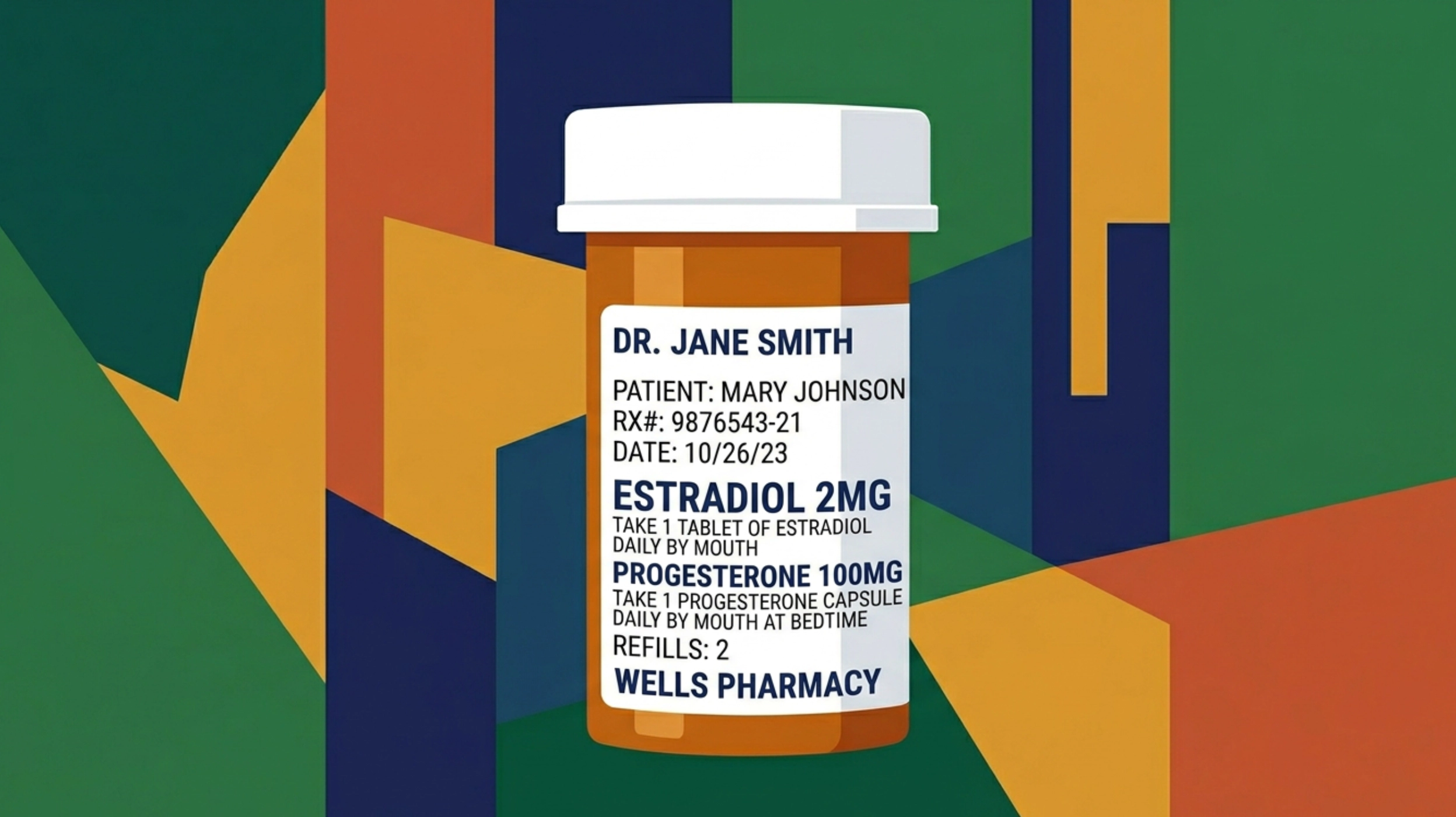
The FDA's updated labeling reflects over two decades of research that the original 2002 warnings did not capture.
Why This Took So Long
To understand the significance of this change, you have to understand what created the black box warnings in the first place.
In 2002, the Women's Health Initiative (WHI), alarge federally funded study,published findings linking combined hormone therapy to elevated risks of breast cancer, cardiovascular events, and stroke. The findings generated enormous headlines, and the FDA responded with the most serious class of warning available.
What followed was a cascade of undertreatment. Prescriptions for MHT dropped dramatically. Women suffering from severe menopausal symptoms, hotflashes, sleep disruption, mood instability, cognitive changes, bone density loss, wereleft with few options, and many physicians were reluctant to prescribe.
The problem was that the WHI findings applied to a specific population (older, post-menopausal women, many with pre-existing health conditions) using a specific formulation, and they were applied far too broadly. Subsequent studies spent the next two decades untangling the nuance. The FDA is now acting on that accumulated evidence.
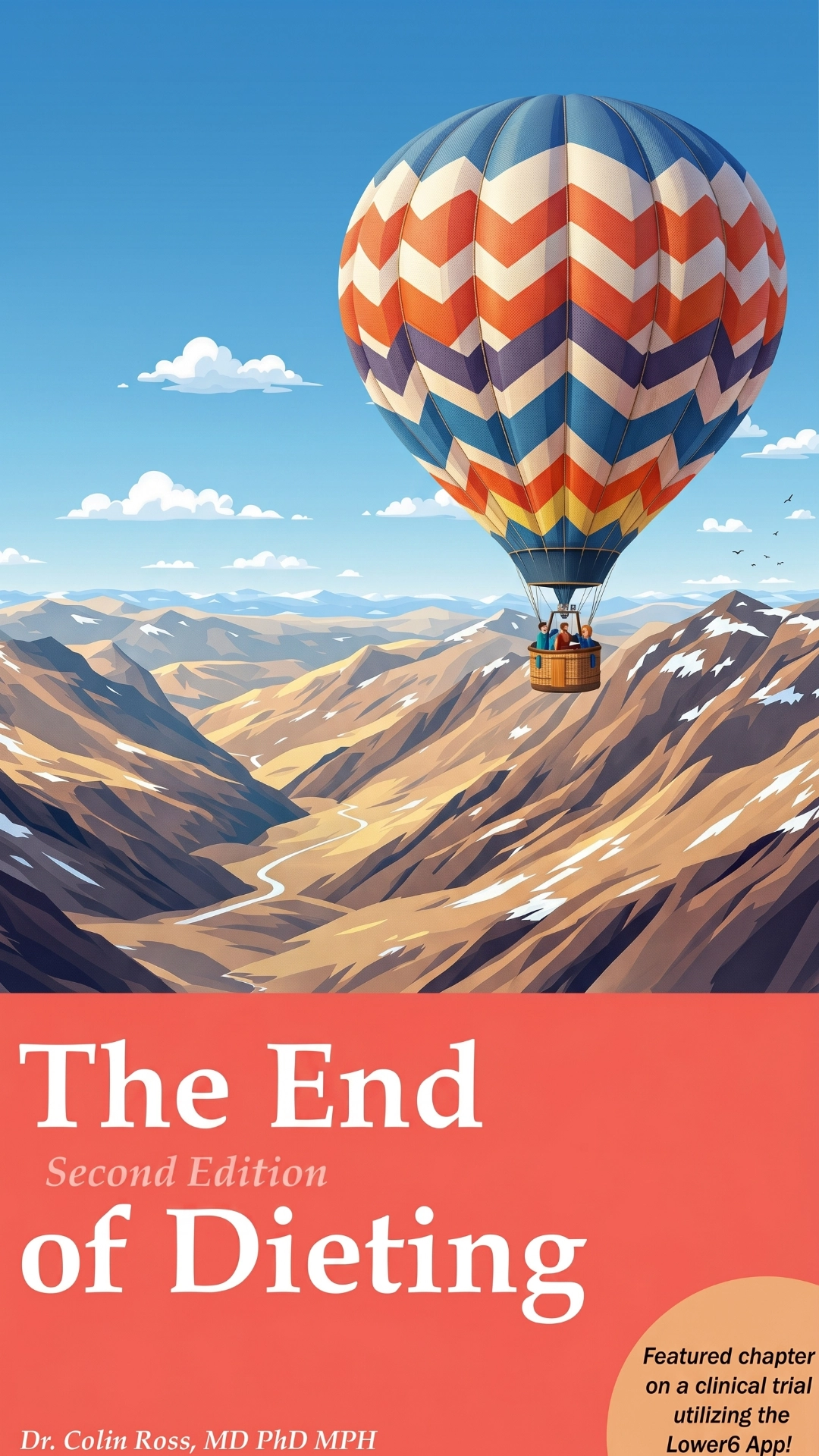
Our FREE E-Book, coveringthe HRT–Alzheimer's connection and more, available since 2016.
We've Been Ahead Since 2016
Since 2016, Lower6 has been committed to providing free, independent research and insights that go beyond the headlines. While regulatory bodies and major media were still working with the 2002 framework, we were already publishing on:
- The links between glycemic index, glycemic load, mitogens, obesity, and cancer, a body of research that still runs ahead of mainstream dietary guidance.
- The connection between HRT and Alzheimer's disease, including why timing, formulation, and individual risk factors matter in ways that blanket warnings cannot capture.
- Innovative, evidence-based approaches to metabolic health that treat the whole person rather than isolated biomarkers.
All of this research is available to you for free, inour E-Book and across our resources. Not because we are waiting for the FDA to validate it, but because independent science has been pointing in this direction for a long time.
Don't Wait for Breaking News
Get the research now, notyears from now. Our free E-Book covers the science behind hormones, the glycemic index, Alzheimer's risk, and more. Stay ahead of the headlines.
Download Free E-Book Get the App
Independent research continues to move faster than regulation. You have access to it now.
Stay Ahead of the Headlines
The FDA's 2025 label update is a positive development for women's health. It reflects two decades of work by researchers, clinicians, and advocates who pushed back against an overly broad regulatory response. That work matters, and the outcome matters.
But the lesson here is also a broader one: regulatory agencies are not where the cutting edge of health science lives. They are where it eventually arrives. The gap between what the research shows and what the labels say can be measured in years, sometimes decades. That gap has real consequences for real patients.
Why wait for "breaking news" when you can stay ahead of the health game? Our free E-Book and resources have been delivering independent, evidence-based insights since 2016, becauseyou deserve to know now, not later.
The research has been available. The science has been clear. And with the right tools and information, you can act on it today, withoutwaiting for a label to catch up.